
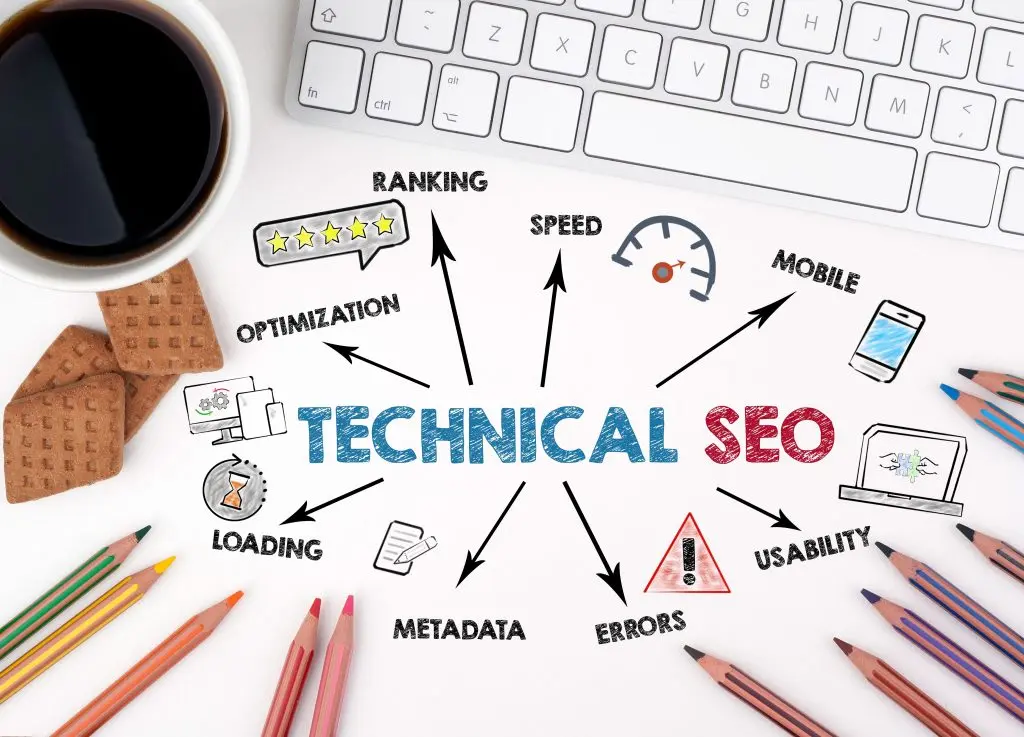
A beautifully designed website won't generate results if search engines struggle to crawl, index, or understand it. That's where technical SEO comes in. It focuses on improving your website's infrastructure so search engines can access your content efficiently while providing visitors with a fast and seamless experience.
Unlike content or link-building strategies, technical SEO works behind the scenes. It improves website performance, strengthens security, enhances mobile usability, and helps search engines rank your pages more effectively.
Whether you manage a business website, an eCommerce store, or a SaaS platform, investing in technical SEO creates a solid foundation for long-term organic growth.
What Is Technical SEO?
Technical SEO refers to optimizing the technical aspects of your website to help search engines crawl, index, and rank your pages.
It includes improvements such as:
- Website speed optimization
- Mobile responsiveness
- Secure HTTPS connections
- XML sitemaps
- Robots.txt configuration
- Structured data (Schema Markup)
- Internal linking
- Canonical tags
- Crawl error fixes
A technically optimized website is easier for both users and search engines to navigate.
Why Technical SEO Matters
Technical SEO directly impacts your website's visibility and performance.
Benefits include:
- Better search rankings
- Faster page load times
- Improved user experience
- Higher conversion rates
- Better mobile performance
- Increased organic traffic
- More efficient crawling and indexing
Without a strong technical foundation, even high-quality content may struggle to rank.
Improve Website Speed
Website speed is one of the most important ranking and usability factors.
To improve speed:
- Compress images
- Use modern image formats like WebP
- Minify CSS and JavaScript
- Remove unused code
- Reduce third-party scripts
- Enable browser caching
- Optimize fonts
A faster website keeps visitors engaged and reduces bounce rates.
Optimize Core Web Vitals
Core Web Vitals measure real user experience and are important performance signals.
Focus on improving:
- Largest Contentful Paint (LCP) – Measures loading speed.
- Interaction to Next Paint (INP) – Measures responsiveness.
- Cumulative Layout Shift (CLS) – Measures visual stability.
Optimizing these metrics improves both user satisfaction and search visibility.
Ensure Mobile Friendliness
Most users browse websites on mobile devices, making responsive design essential.
Your website should offer:
- Responsive layouts
- Readable text
- Touch-friendly navigation
- Fast loading pages
- Mobile-optimized forms
A mobile-friendly website creates a better experience across all devices.
Make Your Website Easy to Crawl
Search engines need clear pathways to discover your pages.
Improve crawlability by:
- Creating an XML sitemap
- Maintaining a clean URL structure
- Fixing broken links
- Using internal links effectively
- Removing duplicate content
- Managing robots.txt correctly
These steps help search engines understand your website more efficiently.
Use Structured Data
Structured data helps search engines interpret your content and may enhance search results with rich snippets.
Common schema types include:
- Organization
- Article
- FAQ
- Product
- Breadcrumb
- Local Business
Schema markup improves content visibility and click-through rates.
Secure Your Website
HTTPS is essential for user trust and search performance.
Security best practices include:
- SSL certificates
- Secure hosting
- Regular software updates
- Malware monitoring
- Website backups
A secure website protects user data and builds confidence.
Monitor Technical SEO Regularly
Technical SEO isn't a one-time task.
Regularly monitor:
- Crawl errors
- Broken links
- Page speed
- Core Web Vitals
- Mobile usability
- Index coverage
- Structured data issues
Routine audits help identify and resolve problems before they affect your rankings.
Common Technical SEO Mistakes
Avoid these common issues:
- Slow-loading pages
- Missing meta tags
- Duplicate content
- Broken internal links
- Poor mobile experience
- Large, unoptimized images
- Missing XML sitemap
- Incorrect redirects
Fixing these problems improves both SEO and user experience.
Technical SEO Checklist
Before publishing or updating your website, make sure you've completed the following:
- ✅ Improve page speed
- ✅ Optimize Core Web Vitals
- ✅ Enable HTTPS
- ✅ Create an XML sitemap
- ✅ Configure robots.txt
- ✅ Add structured data
- ✅ Fix broken links
- ✅ Optimize internal linking
- ✅ Ensure mobile responsiveness
- ✅ Monitor website performance
Final Thoughts
Technical SEO is the backbone of a successful website. It ensures your site loads quickly, functions smoothly across devices, and is easy for search engines to crawl and index. While content and backlinks remain important, they deliver the best results when supported by a technically sound website.
By regularly auditing and improving your website's technical health, you'll create a stronger foundation for better rankings, improved user experience, and sustainable business growth.
At LaunchNest, we build high-performance websites with technical SEO, modern development practices, and performance optimization to help businesses attract more traffic and convert more visitors.